
House Demolition
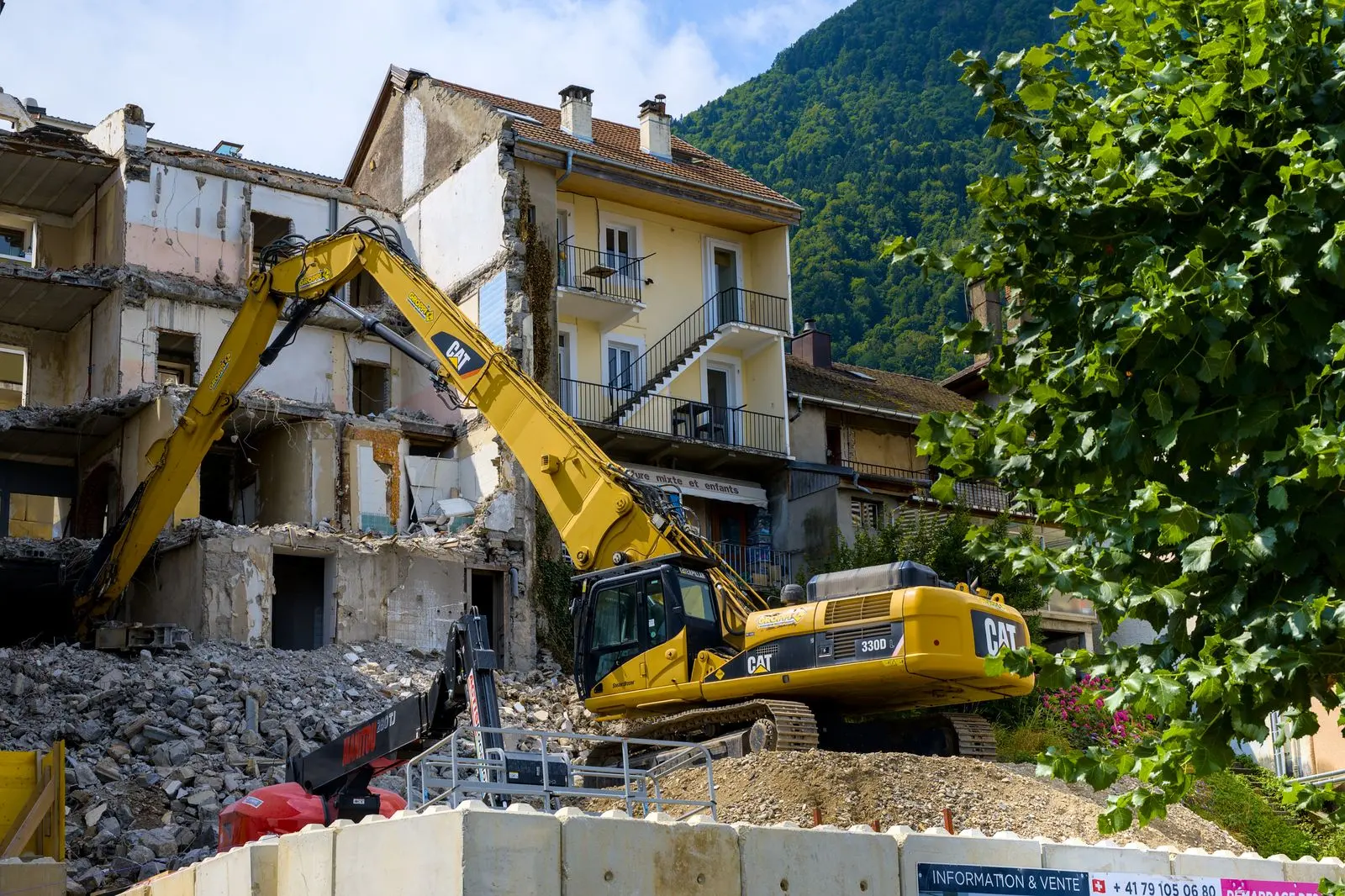
Full teardowns of Salinas houses down to the foundation or below it, with the asbestos survey, city or county permit, utility caps and haul-off all handled before the lot is handed back.
House Demolition detailsDemolition contractor for Salinas and Monterey County
Request a demolition quote →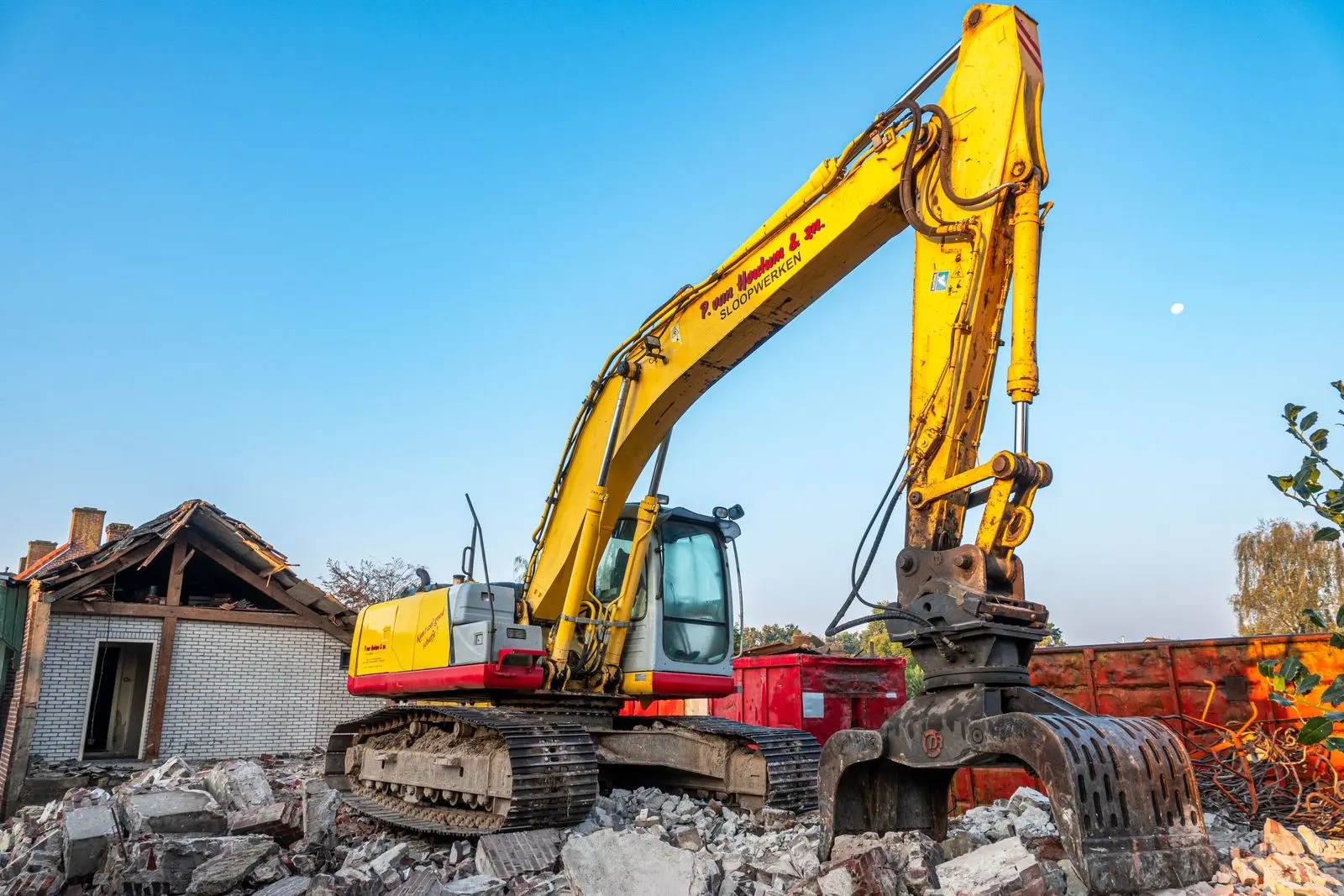
Salinas Valley teardowns
Salinas Demolition Pros takes down houses, garages, packing sheds, cooling buildings and storefront interiors across Salinas and the valley towns around it. We line up the survey, the permit and the utility shutoffs, then demolish, haul and leave a clean pad.
Demolition services in Salinas
The same crews handle a full teardown, a single room, or the concrete and asphalt left behind. Each service below has its own page with how the work runs in Salinas, what the permits look like, and what changes the price.
Full teardowns of Salinas houses down to the foundation or below it, with the asbestos survey, city or county permit, utility caps and haul-off all handled before the lot is handed back.
House Demolition details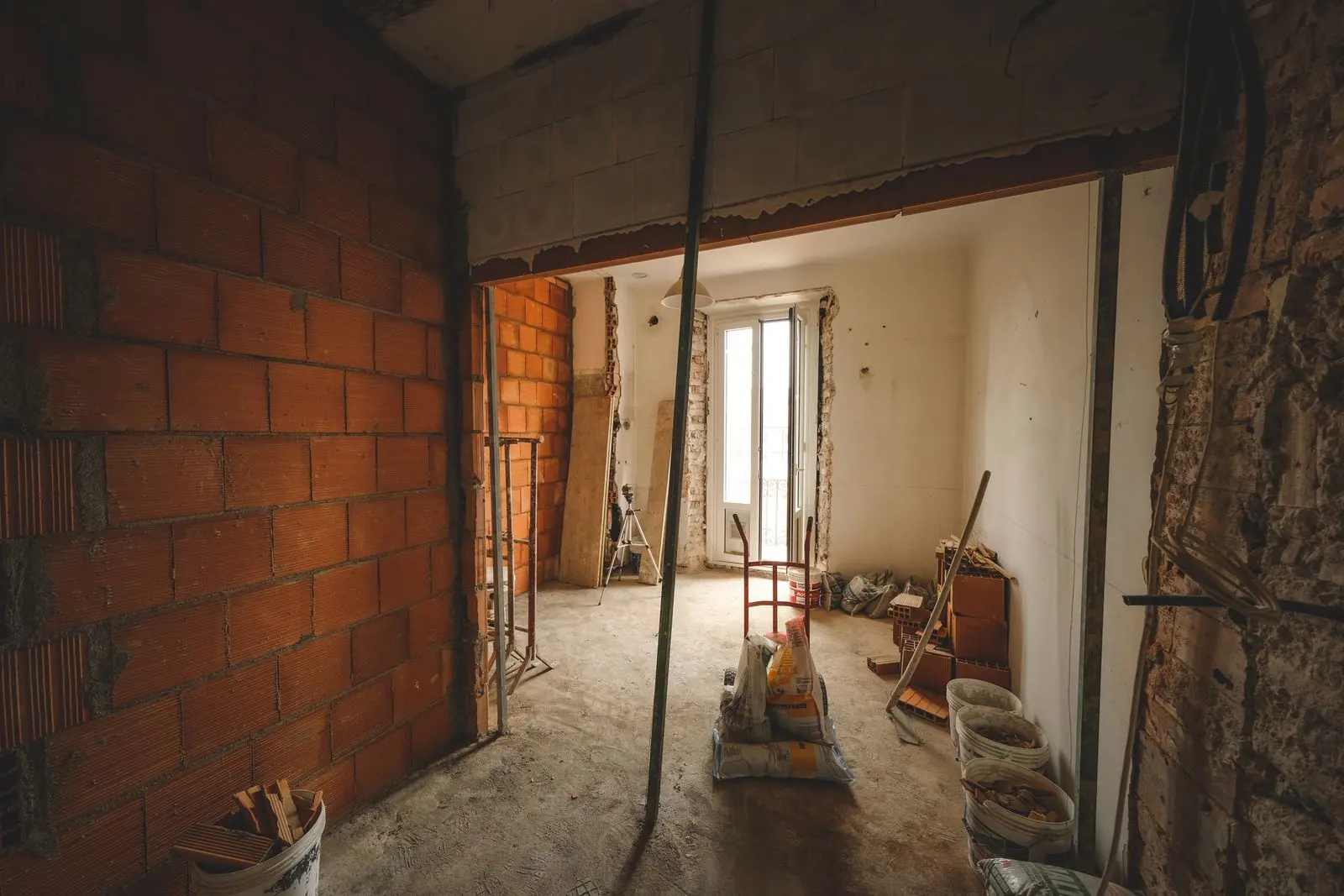
Gutting rooms or whole floors to the studs ahead of a remodel, with plaster, drywall, flooring and old wiring sorted out and the structure you keep left untouched.
Interior Demolition details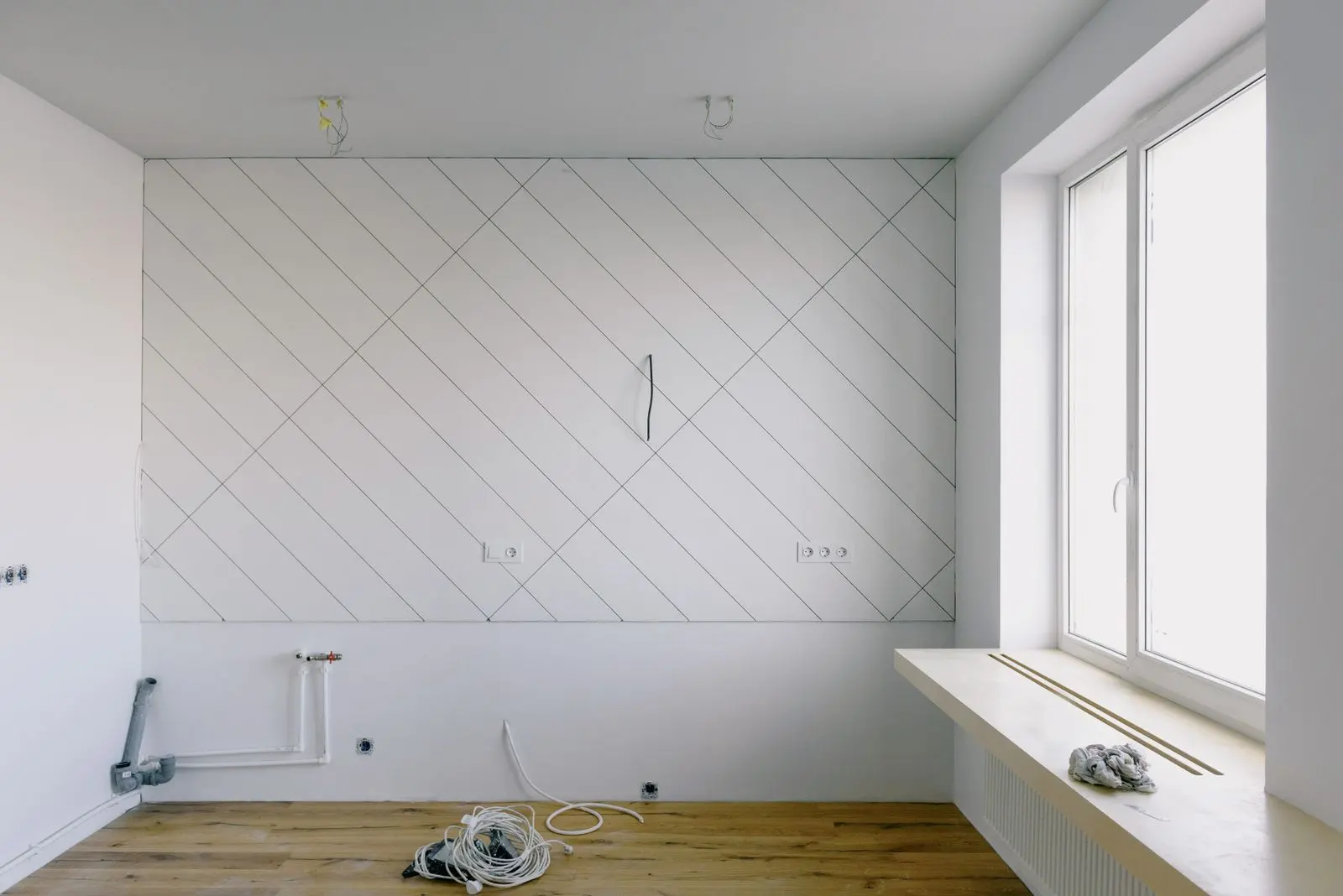
Cabinets, counters, tile backsplash, soffits and flooring removed, with the plumbing and gas capped by the right trade so your contractor starts on a bare room.
Kitchen Demolition details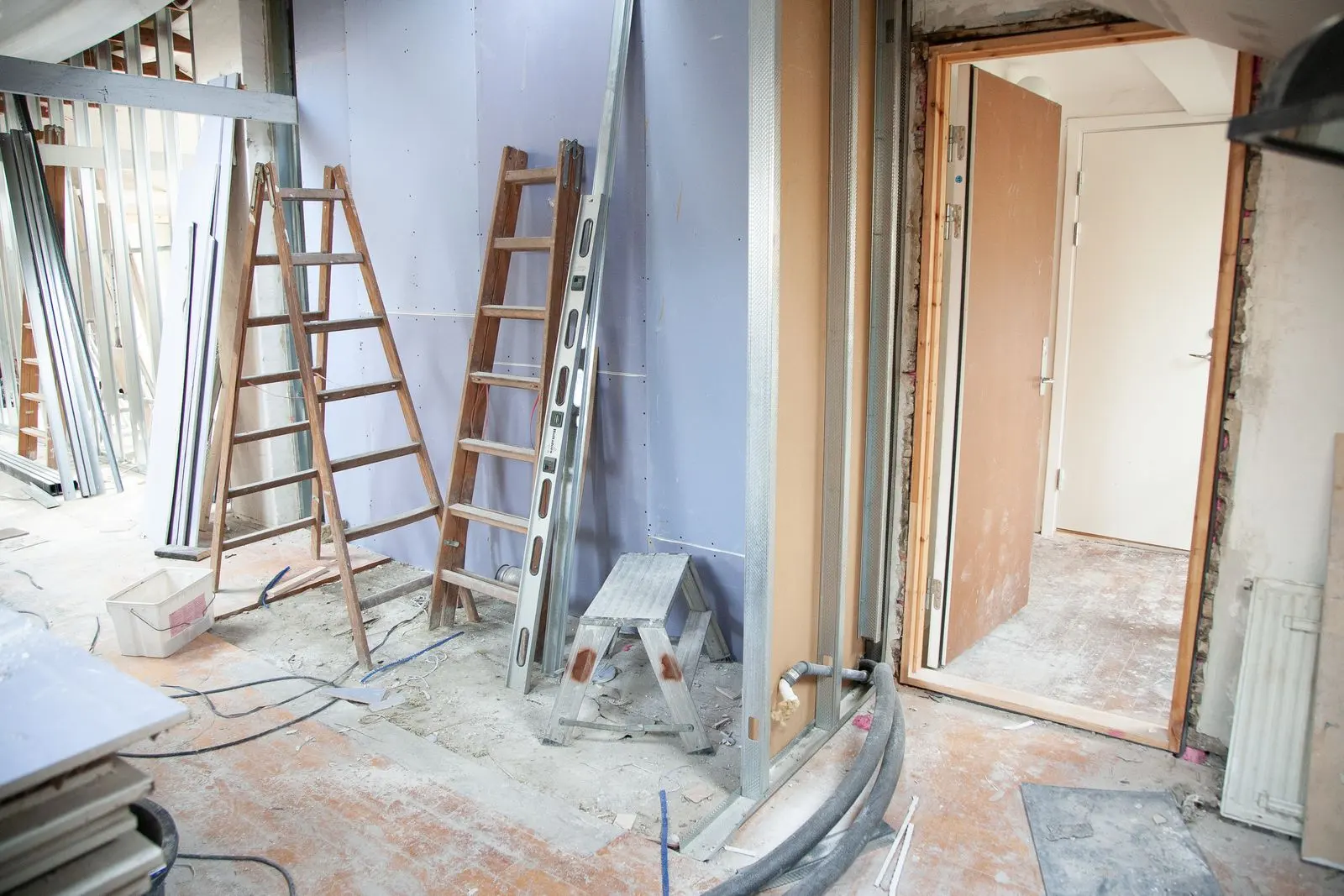
Tub, shower pan, tile, vanity and subfloor taken out, including mortar-bed showers common in older Salinas homes, with rot and water damage exposed for your contractor.
Bathroom Demolition details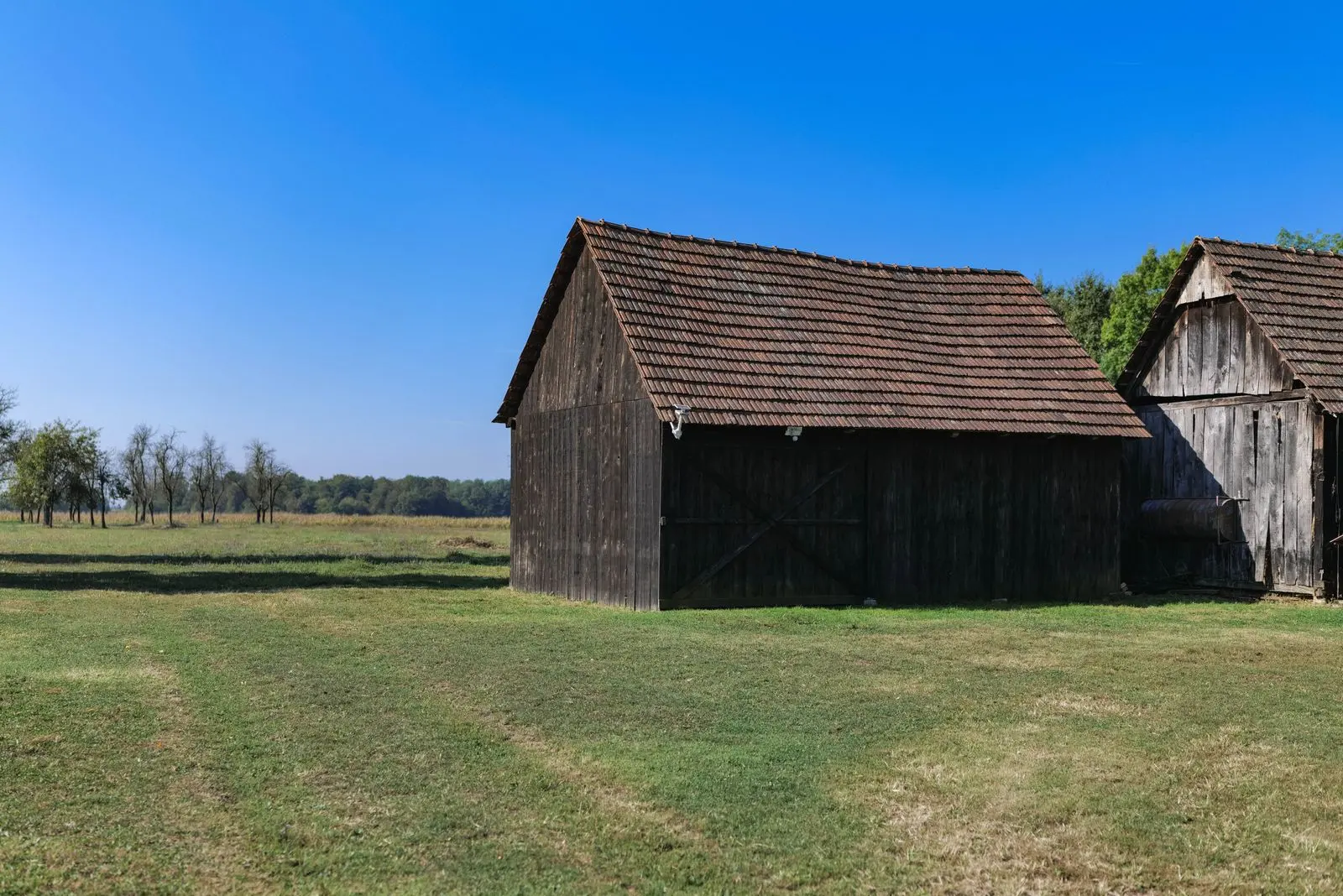
Detached garages, sheds, carports, barns and farm outbuildings taken down, slabs broken out if you want, and the backyard cleared for a new unit or more room.
Garages and Sheds details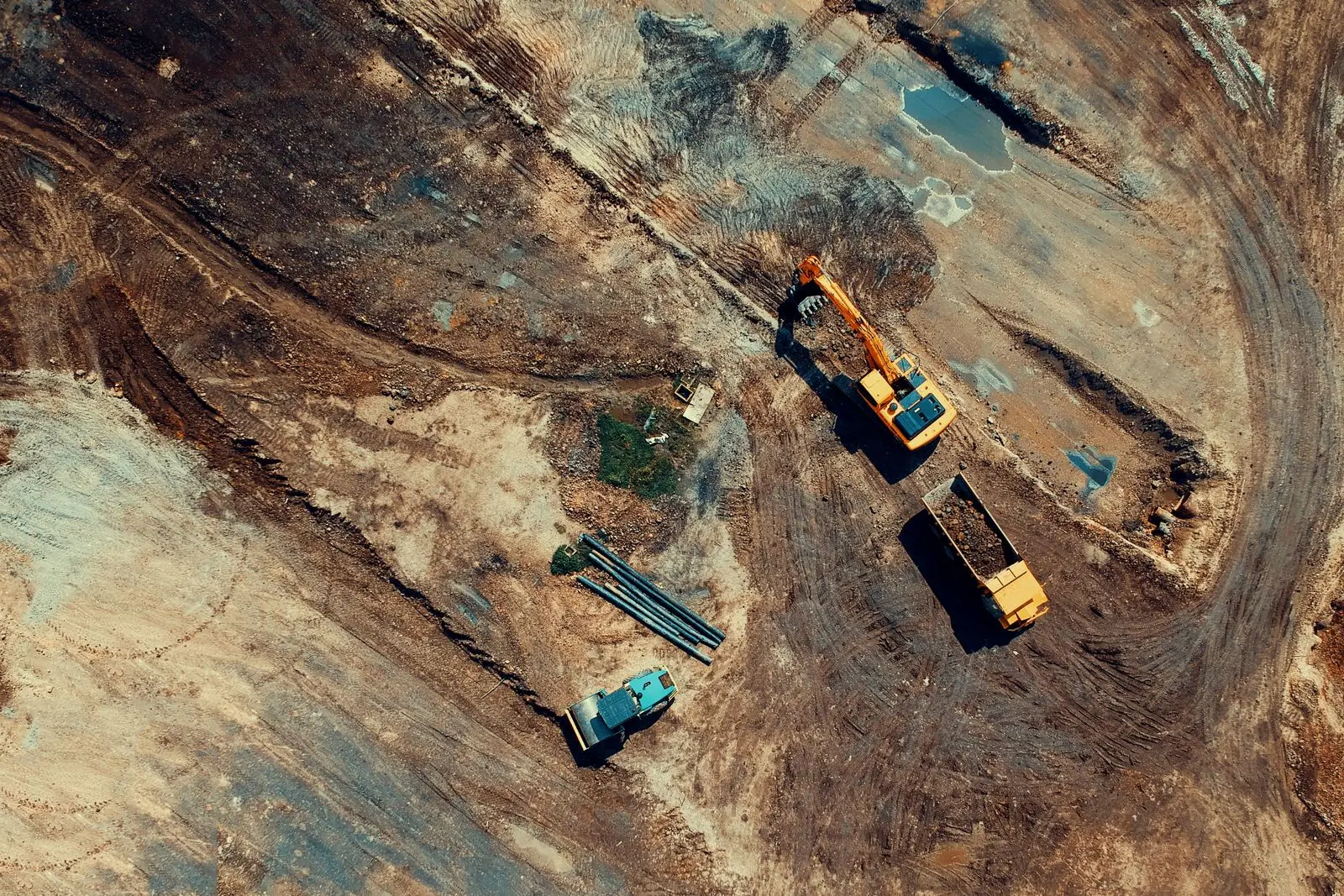
Backyard pools filled in place with drain holes punched, or hauled out entirely, then backfilled with clean soil compacted layer by layer.
Pool Removal details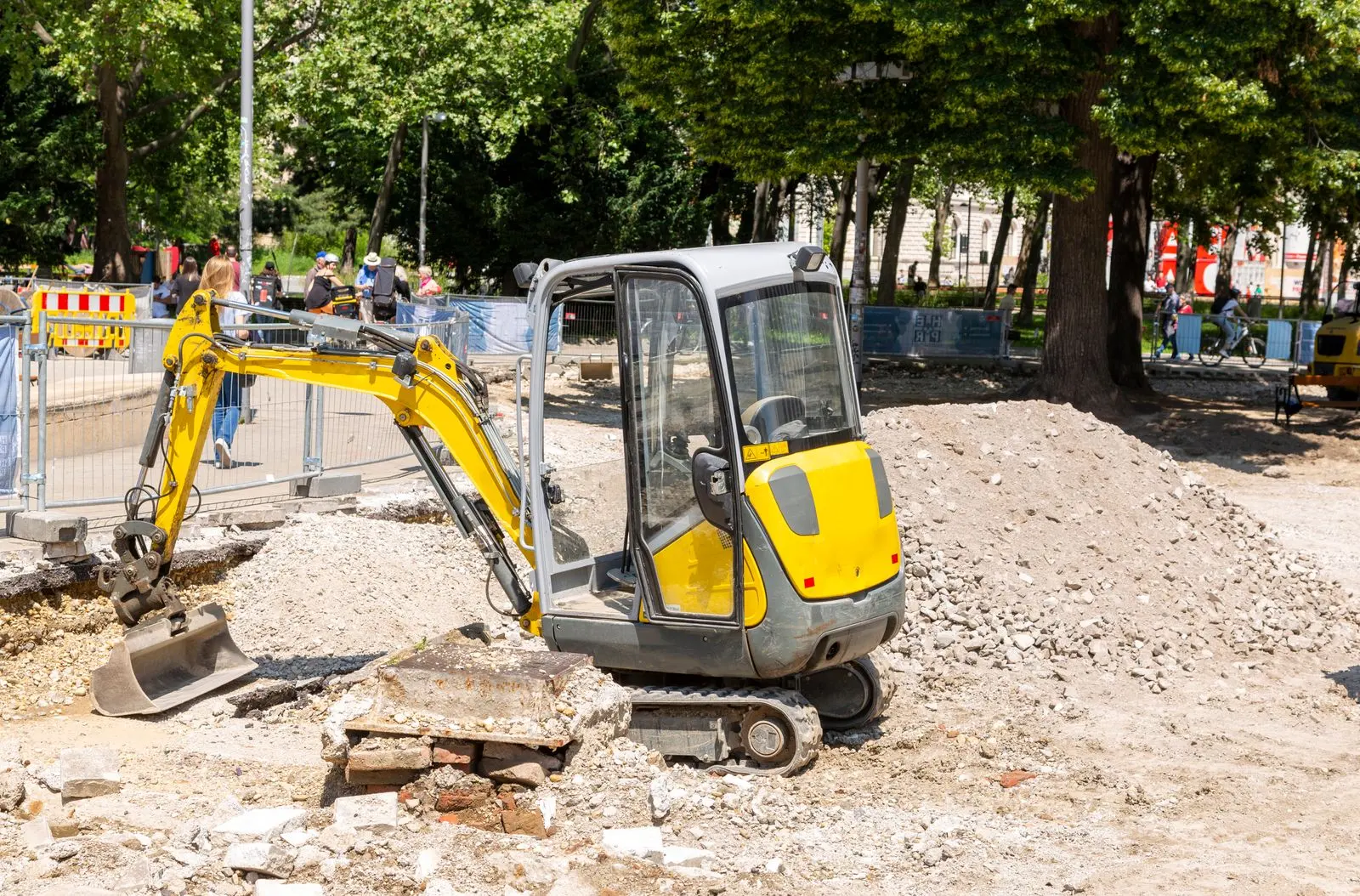
Driveways, patios, walkways, foundations, loading docks and retaining walls broken out and trucked to a concrete recycler instead of a landfill.
Concrete Removal details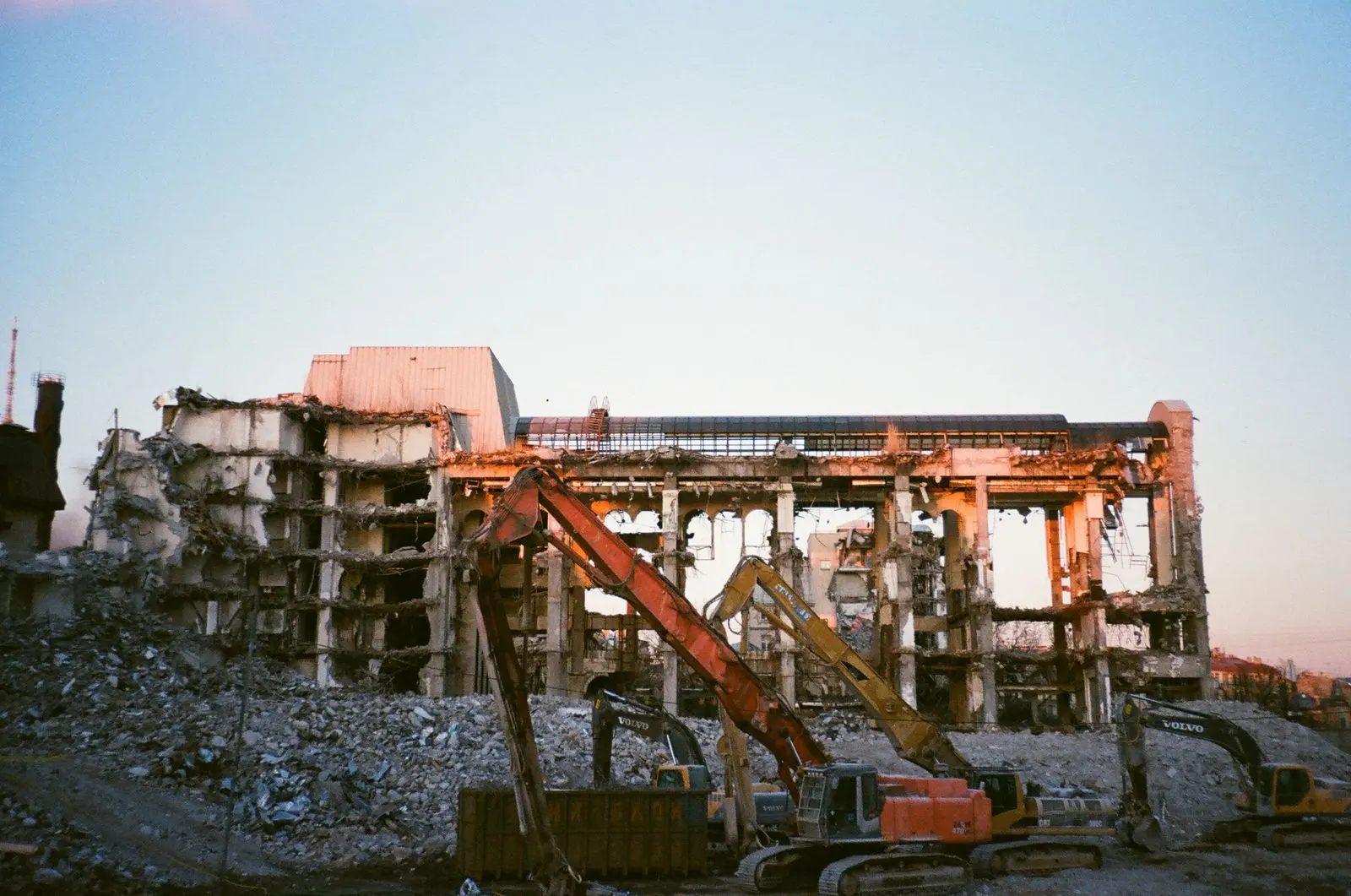
Packing sheds, cold storage buildings, warehouses, retail buildings and small offices demolished, with refrigeration clearance, MBARD notice and recycling planned up front.
Commercial Demolition details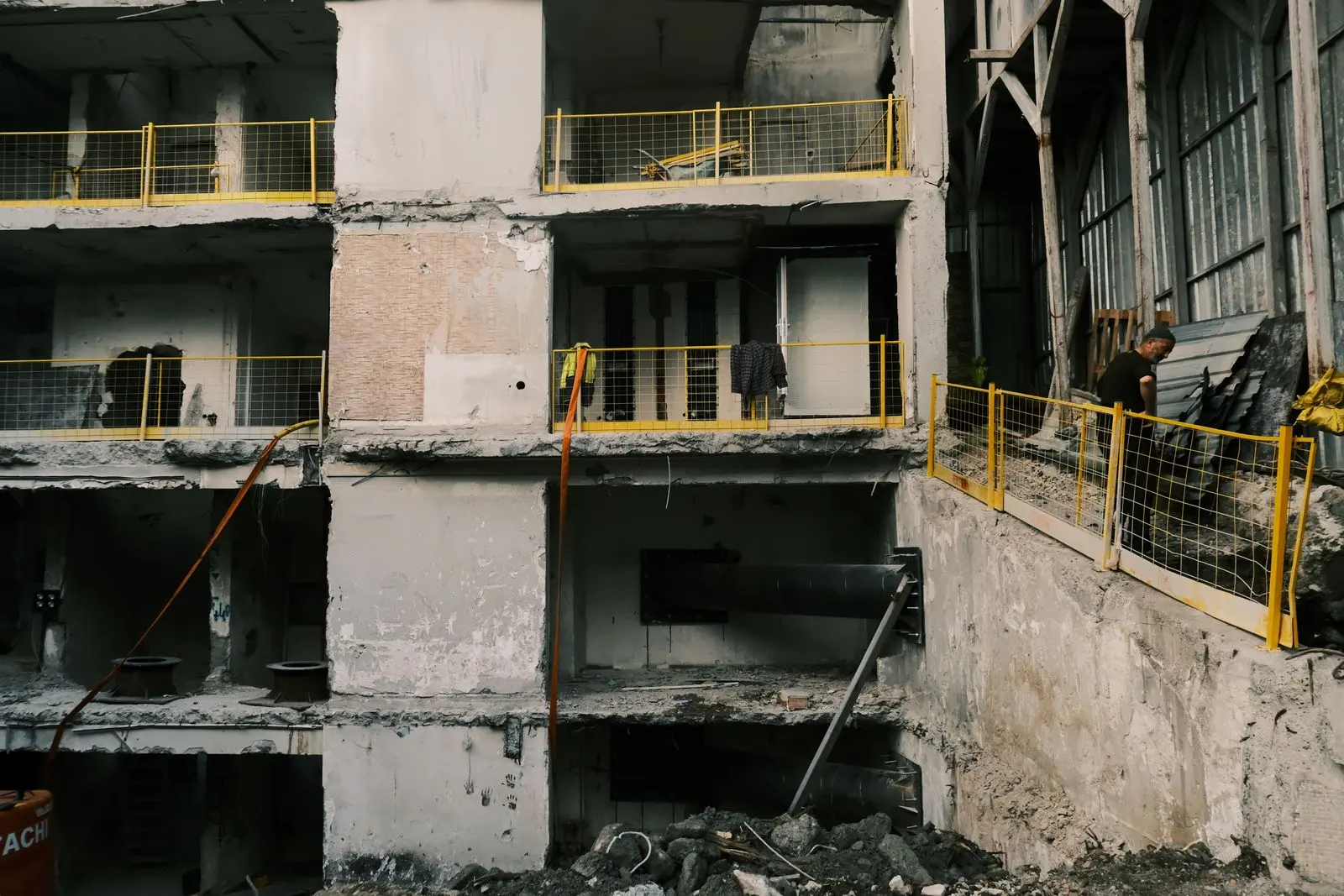
Tenant strip-outs for Oldtown storefronts, offices and restaurants, removing ceilings, partitions, flooring and kitchen equipment while the shell and neighbors stay protected.
Commercial Strip-Outs details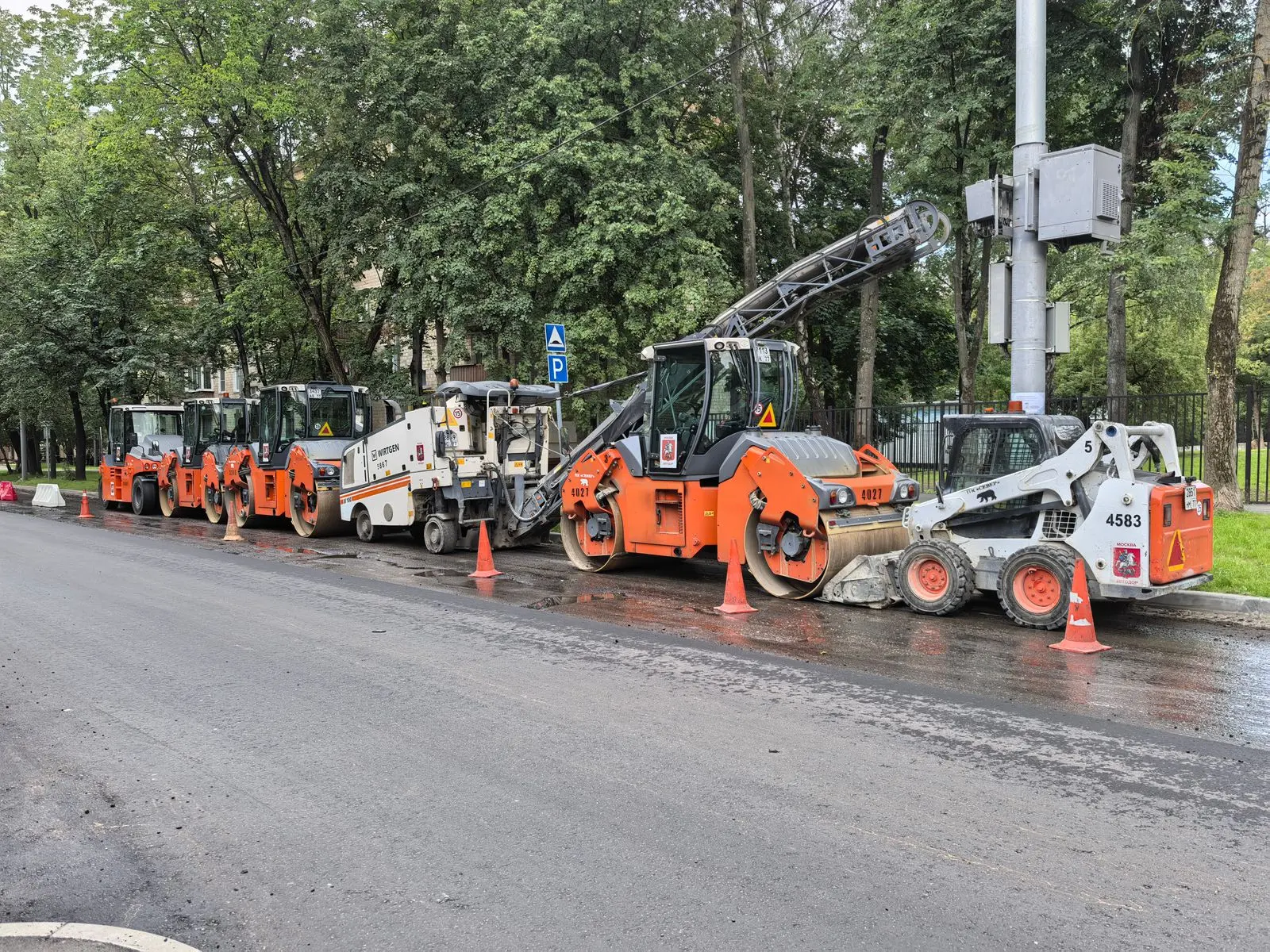
Parking lots, packing yard paving and long rural driveways ground or torn up, every load recycled, and the base graded for whatever surface goes down next.
Asphalt Removal details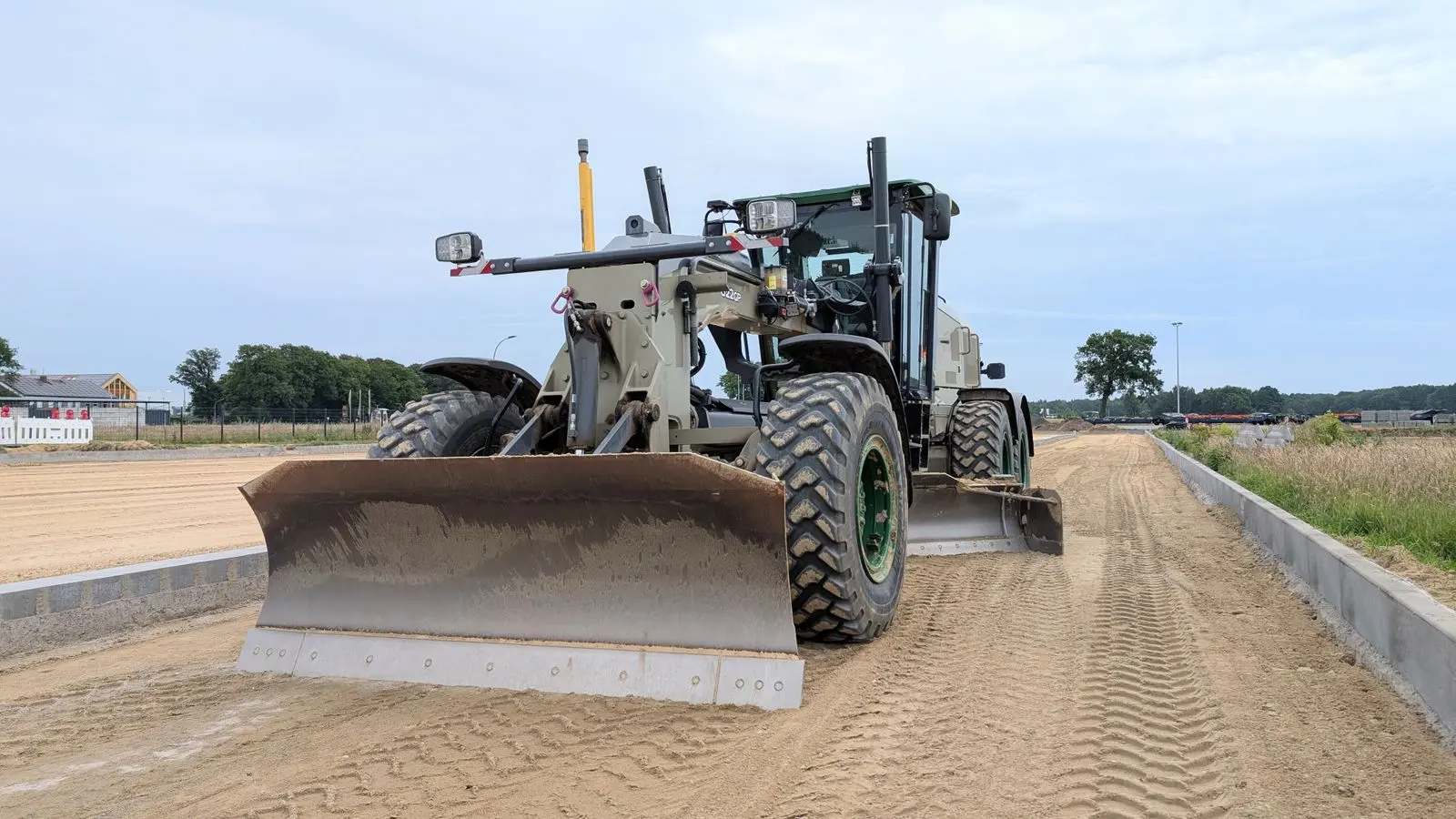
Brush, old fencing, stumps, junk piles and abandoned structures cleared off lots and acreage, followed by rough grading so the site is ready for building.
Lot Clearing details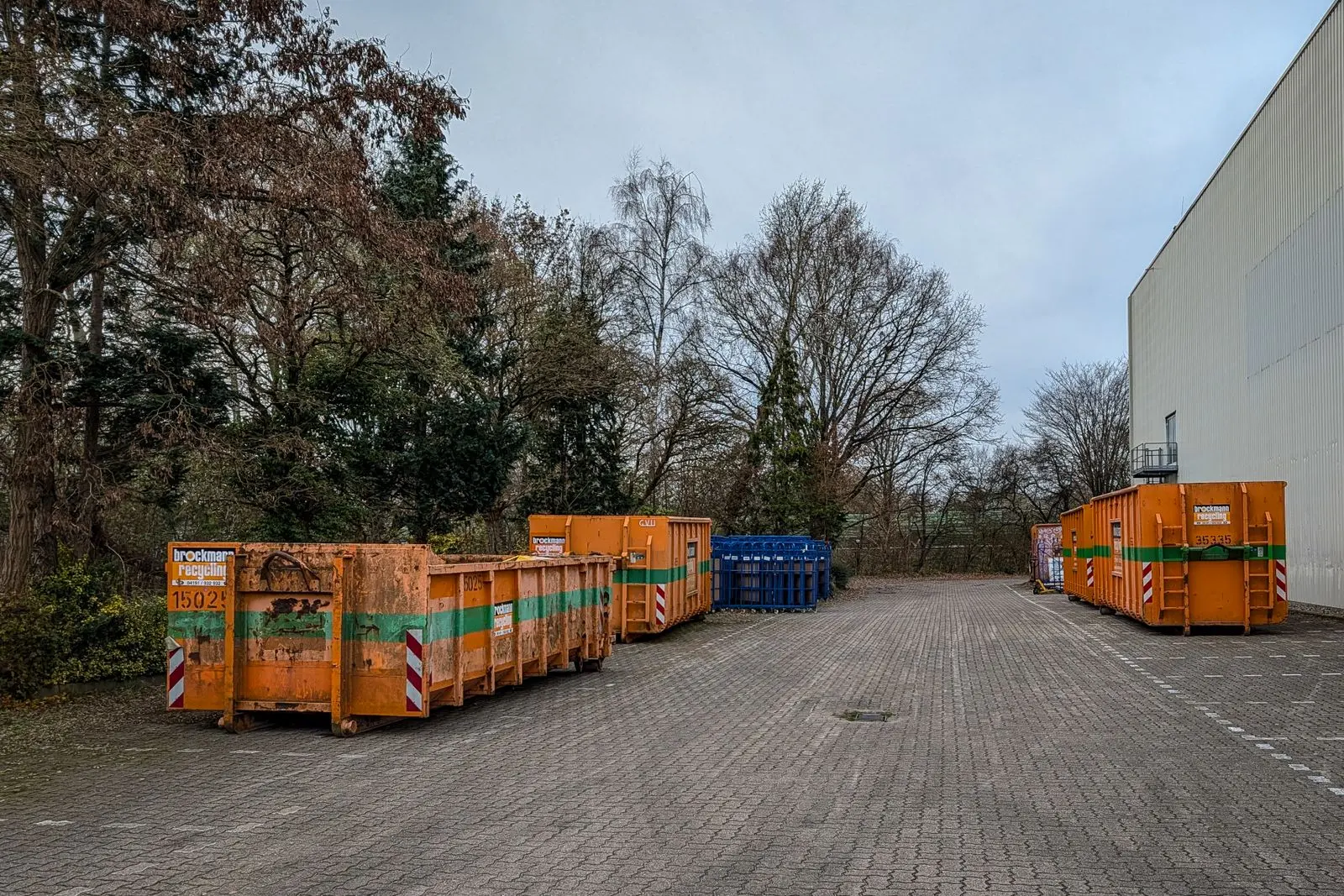
Hauling demolition and remodel debris, sorting it on site so concrete, metal and clean wood get recycled, and leaving the work area swept.
Debris Removal details
Taking a building apart by hand to save lumber, doors, windows, fixtures and brick for reuse, a good fit for older Spreckels and Oldtown buildings.
Deconstruction detailsDescribe what has to come down or come out in Salinas. We will reach out, ask the right questions and put a scope and quote together.
Salinas demolition contractor
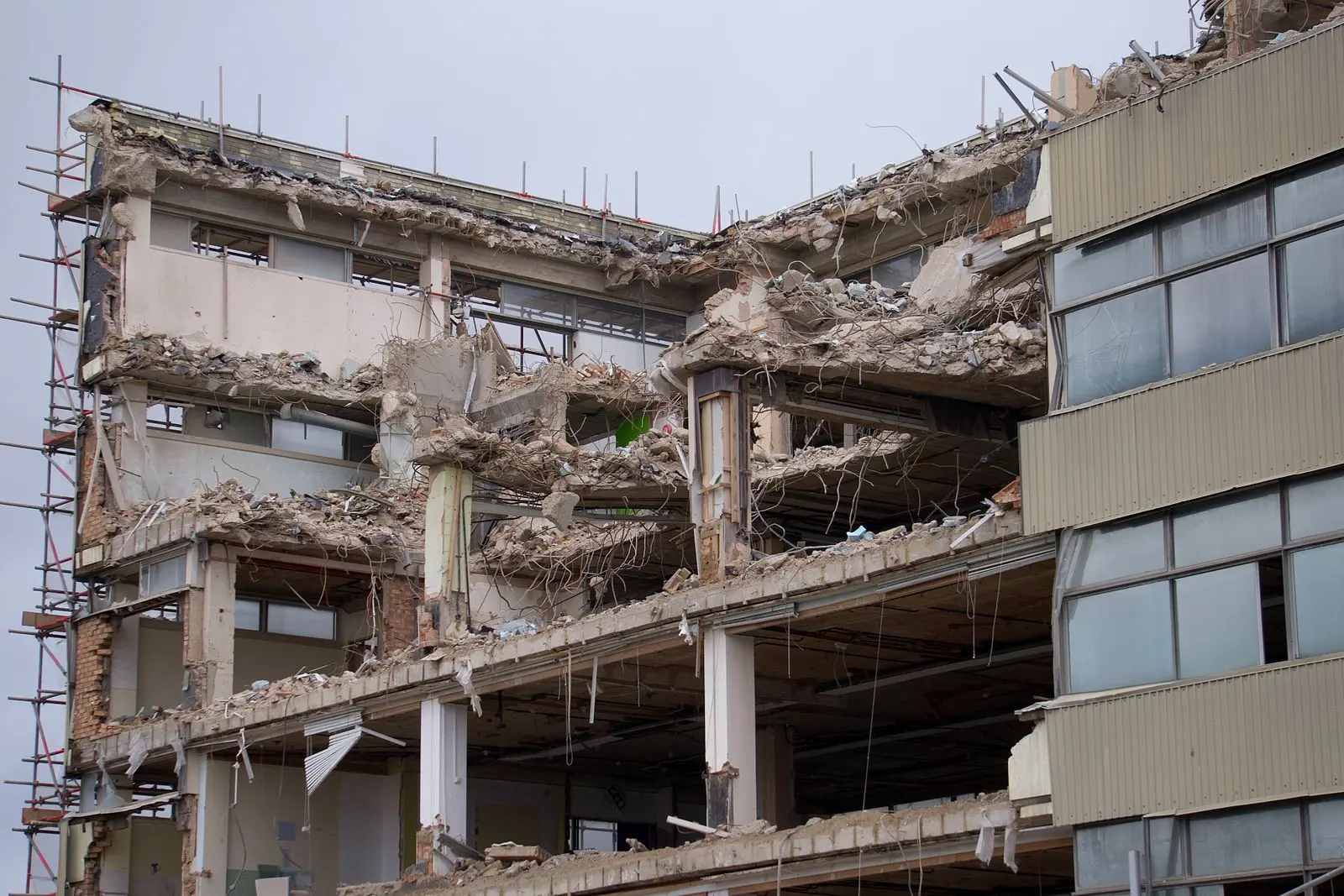
Salinas is not a typical suburb, and the demolition work here shows it. One week the job is a stucco cottage on a narrow Alisal lot with a sagging detached garage out back. The next it is a vacant cooling shed off Abbott Street with insulated panel walls and a concrete dock that has carried forklifts for decades. We work on both, plus kitchen and bath tear-outs in the north Salinas tracts and full strip-outs of brick storefronts on Main Street.
We are a demolition and site-work outfit that covers Monterey County and reaches north into San Benito and Santa Clara Counties. The crews run excavators and skid steers on open lots and switch to hand tools and wheelbarrows when the house next door is six feet away. Our job is to get a structure or a room down to what you asked for, sort what comes out of it, and hand the site back ready for the next trade.
Typical demolition jobs
The type of demolition we see depends heavily on which part of the Salinas area the property sits in. Here are four places we cover, the job each one sends us most, and the reason behind it.
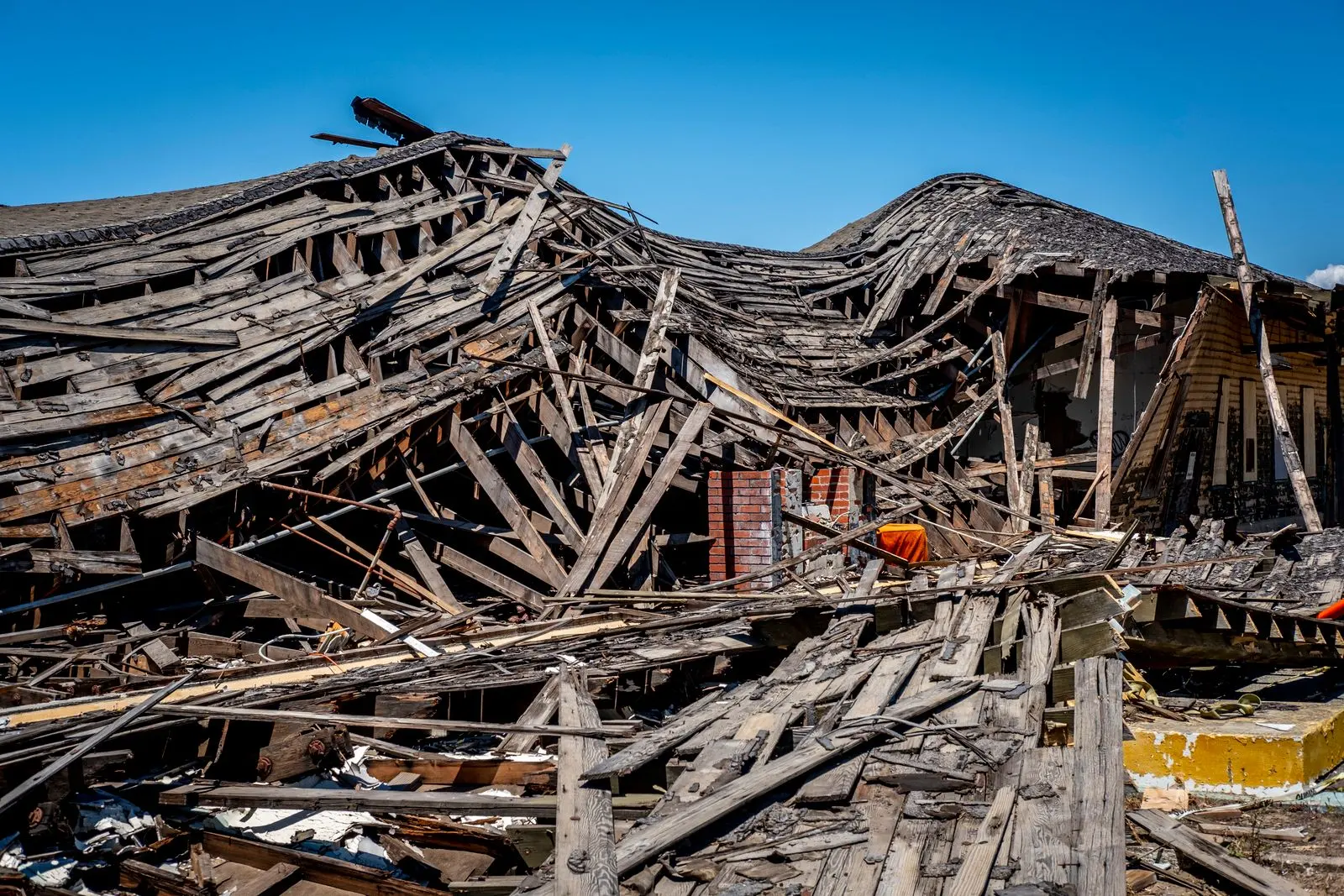
Many Alisal homes sit on small lots with an old single-car garage or a shed along the back fence. Owners often want them gone to make room for a backyard unit or just to stop the rot. Tight side yards mean careful machine work or hand demolition, with debris carried to the street.
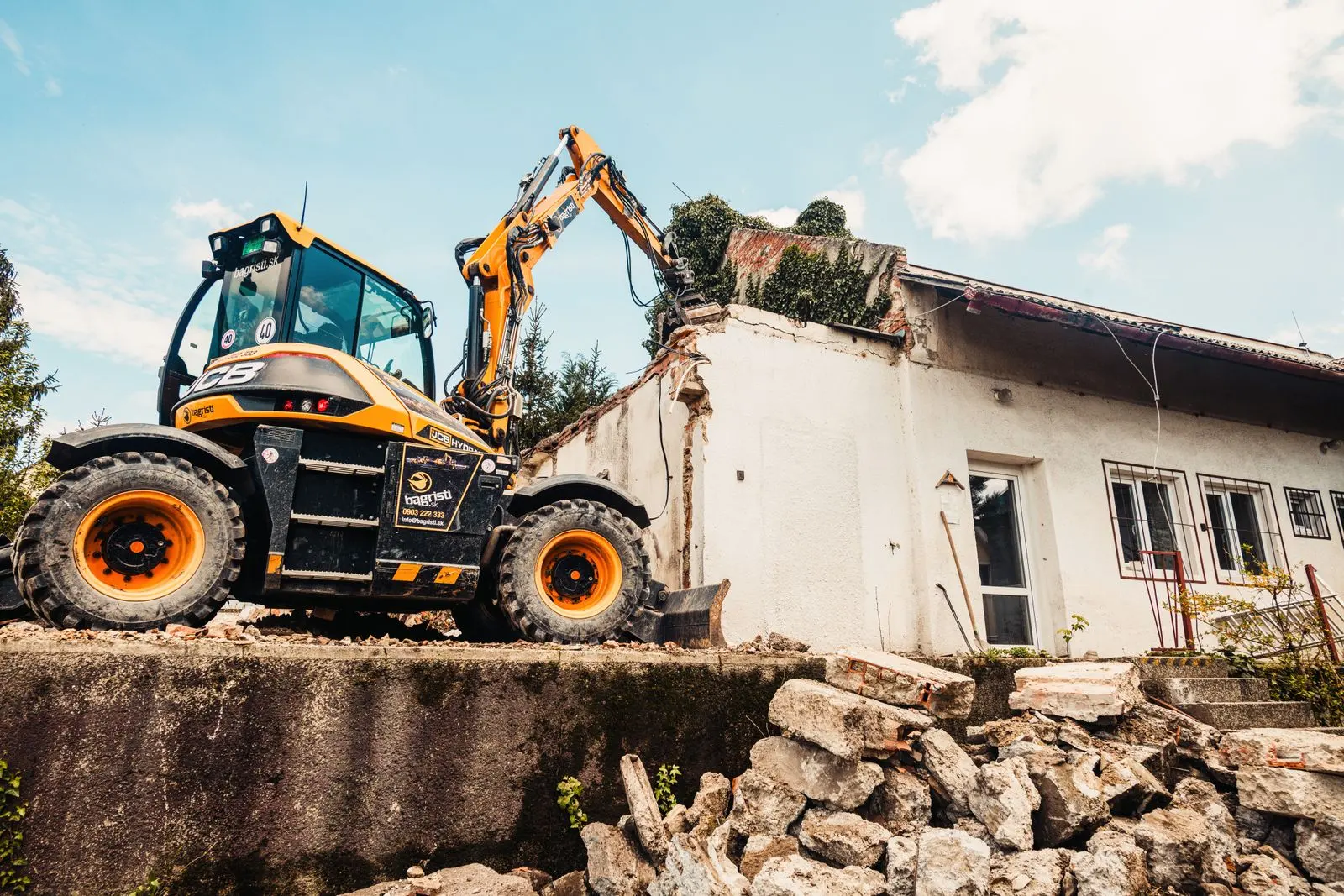
When a Main Street storefront changes hands, the new tenant usually wants the old ceilings, partitions and flooring gone so the brick and structure can be inspected. Shared walls, sidewalk traffic and older materials make the survey and protection of neighboring shops the main concern.
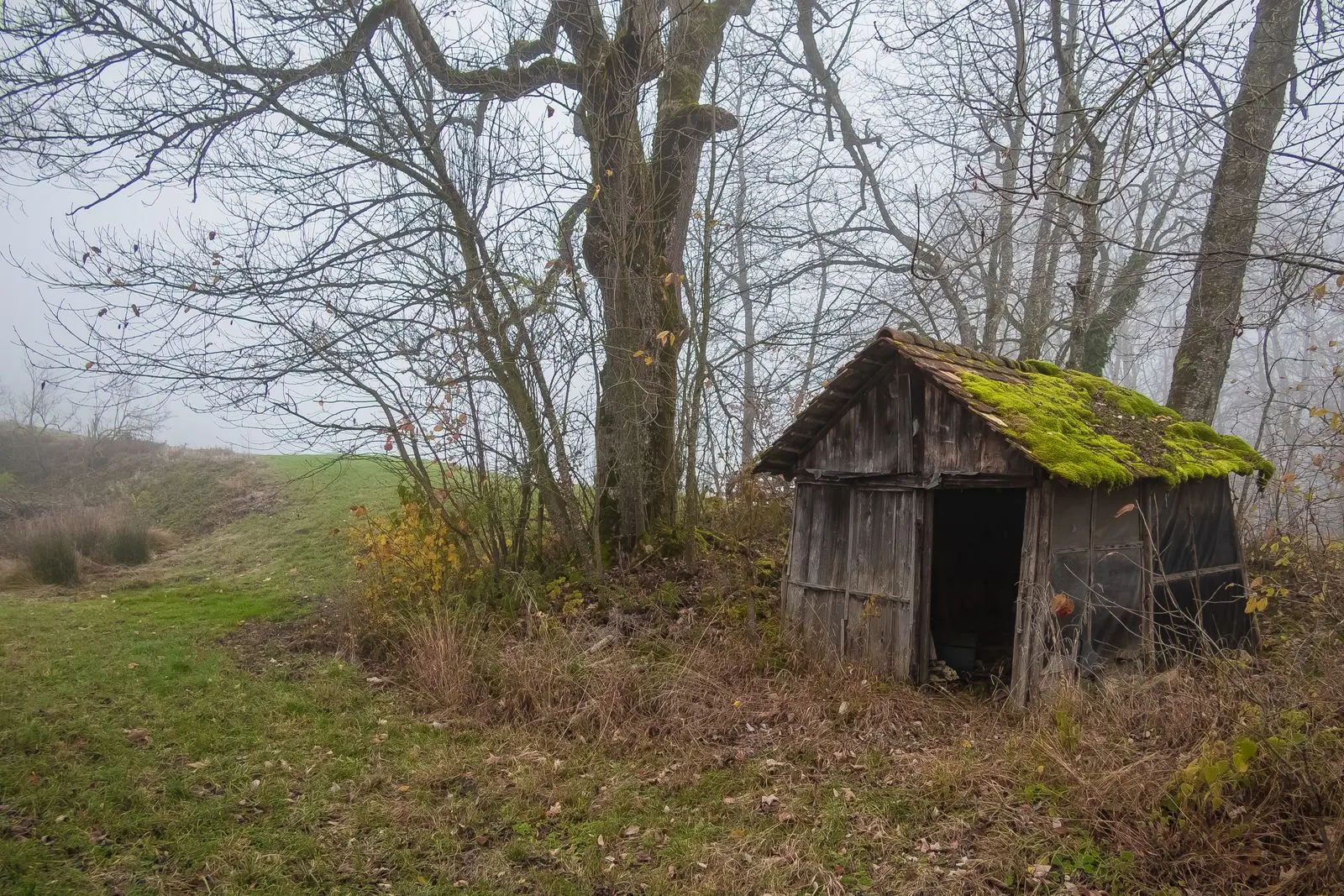
Prunedale parcels tend to collect old barns, sheds, trailers and mobile homes over the years. Clearing them means working around wells, septic tanks and oaks on sandy hillside ground, with Monterey County handling the permit instead of the city.
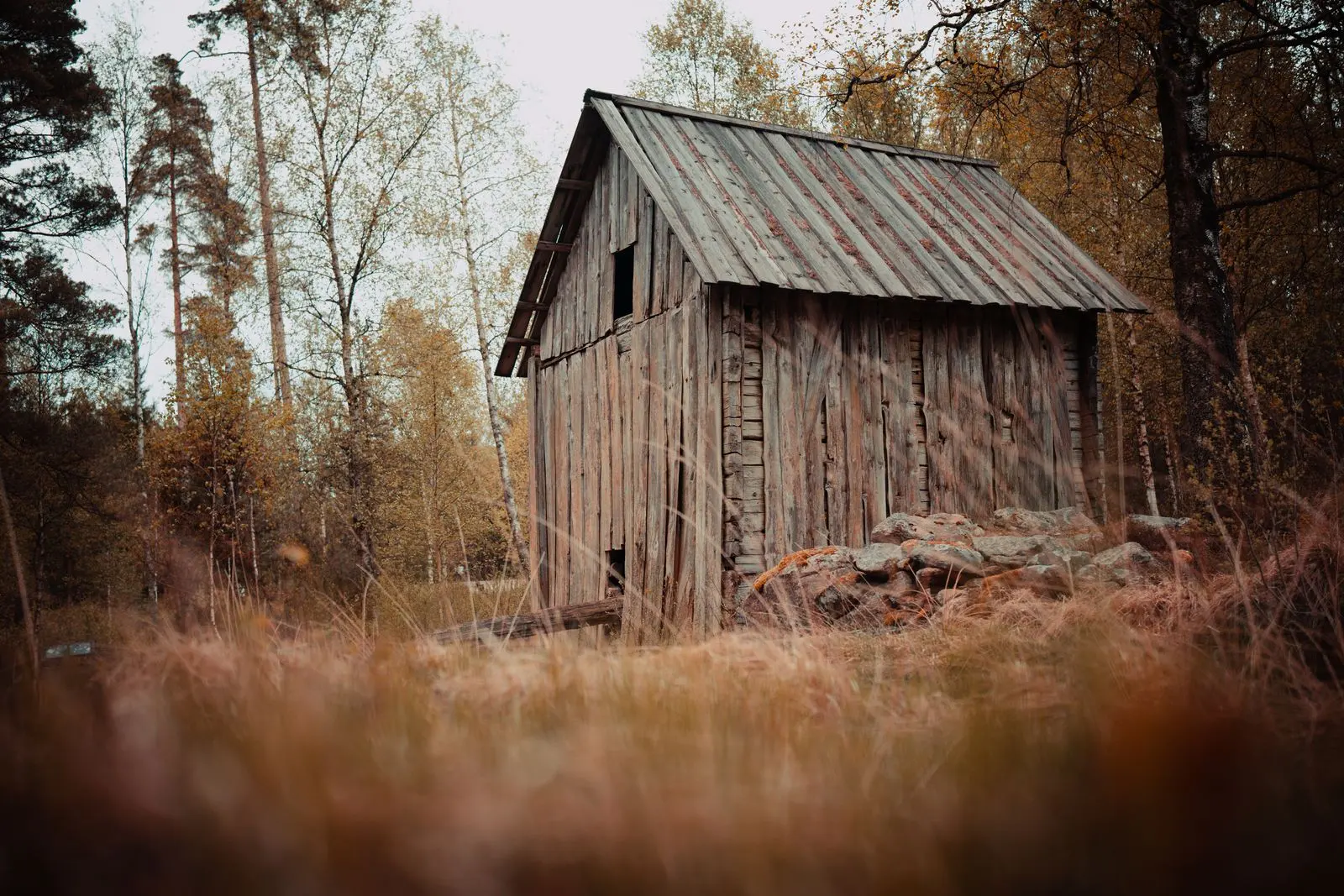
Older processing and storage buildings in the farm towns south of Salinas get replaced as operations grow or consolidate. These jobs mix steel framing, insulated panels and heavy slabs, and refrigeration systems must be cleared by a refrigeration contractor before demolition.
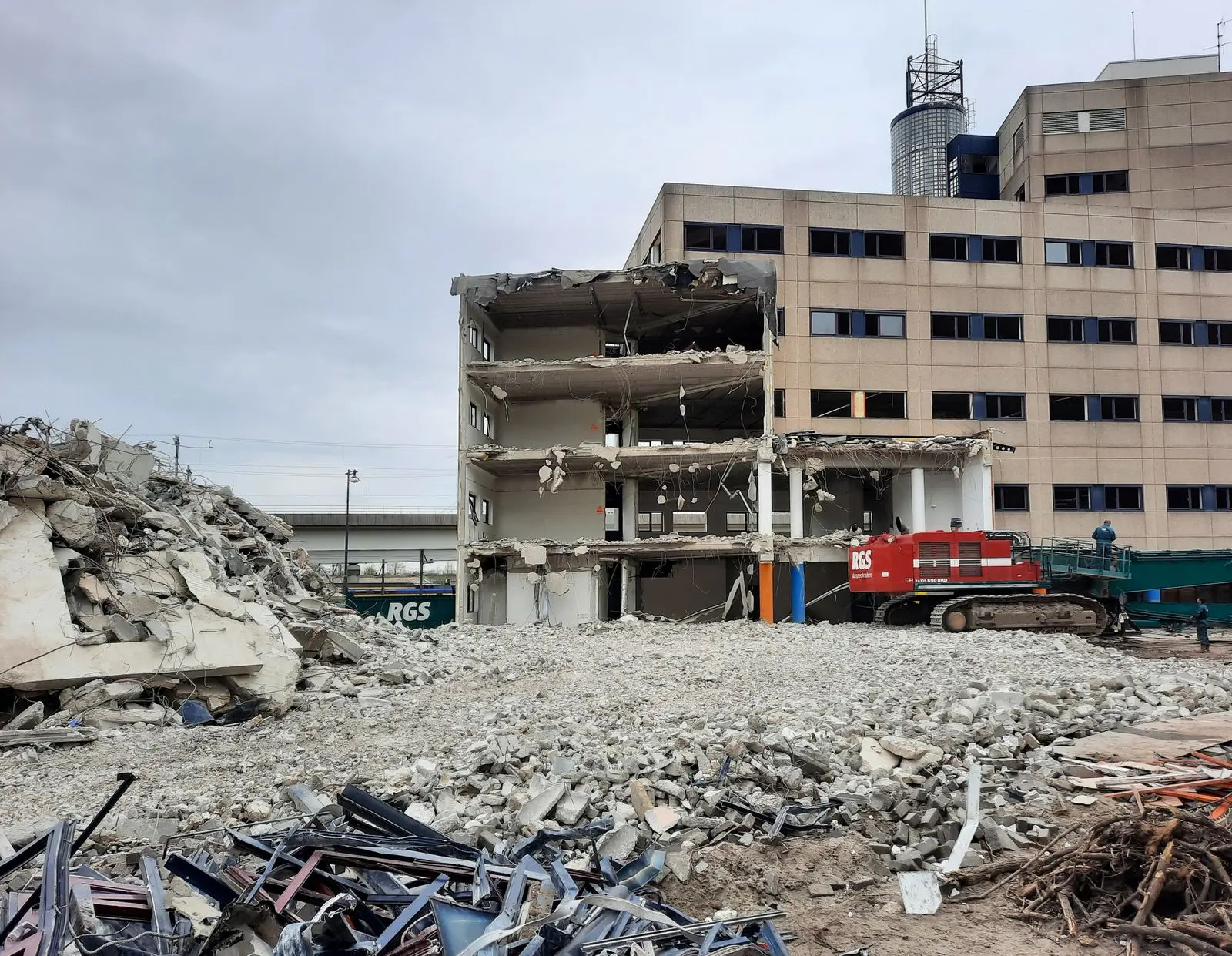
Know before you demolish
The Monterey Bay Air Resources District requires a demolition notification for regulated demolitions even when no asbestos is found, and the survey has to come from a California Certified Asbestos Consultant. The notice goes in at least ten working days before work starts. We build that lead time into the schedule so the permit and the crew are not left waiting.
Ask About Your Site
What a Salinas demolition includes
Most people calling about demolition in Salinas have never hired a demolition contractor before. That is fine. A complete job here covers more than knocking the building over, and we spell out each piece in the quote so nothing is a surprise later. If a step does not apply to your property, it comes off the list.
On farm and industrial buildings the list grows. Refrigeration lines have to be cleared by a refrigeration contractor before anyone cuts pipe, and the steel, panels and concrete each go to a different destination. We plan that sequence before the first truck shows up.
How it works
A backyard shed moves through these stages in days and a packing shed takes longer, but the order never changes. One person on our side stays your contact from the first visit to the final sweep.
01
On site we study the structure, the way in for trucks, the houses next door and the ground, and ask what is going up afterward. The written quote lists each part of the job separately so you can see what is driving the number.
02
Our office books the asbestos consultant, sends MBARD its notice and turns in the permit application. PG&E pulls the meter and cuts gas, and the water and sewer services are capped. Any abatement is finished by a certified contractor first.
03
The crew sets up dust control and fencing, takes the structure down, and loads materials by type for recycling. We remove foundations if the scope calls for it, rough-grade the pad, and do a final walk with you before we leave.
Salinas was built in layers. Oldtown has brick and masonry commercial buildings along Main Street, some of them unreinforced, with Victorians and craftsman houses on the side streets around the Steinbeck House on Central Avenue. East Salinas fills in with small postwar homes on tight lots. North Salinas and Creekbridge are later tracts and planned neighborhoods. Around all of it sit the packing sheds, cold storage rooms and warehouses that keep the produce moving out of the valley.
For a parcel inside city limits, the demolition permit is issued at the Permit Center run by Salinas Community Development. Prunedale, Castroville, Spreckels and the farmland around them are unincorporated, so Monterey County Housing and Community Development issues those permits. Gonzales and Soledad each run their own building departments. We confirm which office has the parcel before anything is filed, because the paperwork and review steps differ.
Air quality is handled by the Monterey Bay Air Resources District, known as MBARD, not by the Bay Area district that covers San Jose. MBARD wants a survey by a California Certified Asbestos Consultant and an online demolition notification filed at least ten working days ahead, even when the survey comes back clean. Positive samples go to a certified abatement contractor, who clears them before any of our equipment moves. We line up and coordinate that contractor, but abatement is not work we perform.
Then there is the wind. Most afternoons a breeze pulls in off Monterey Bay and runs up the valley, and it will carry dust from a demolition site straight into the neighbor's yard or across a field of lettuce. We wet down the work, keep the water truck or hoses running, and plan the dustiest steps for the calmer morning hours.
There is no price list here. Two jobs that look the same from the sidewalk can land far apart once we are standing in the backyard. Size matters, but so does what the building is made of. A wood-frame house with a raised floor comes apart and loads out differently than a slab-on-grade building with stucco over wire lath. A cold storage room with foam-core panels and a thick slab carries its own disposal and recycling costs.
Access is the next big factor. A detached garage at the back of a narrow Alisal lot may need a small machine or hand demolition, with debris carried out to the street. A packing shed on several acres lets a full-size excavator work and trucks pull right up. The more the crew can use machines and load straight into trucks, the shorter the job.
Survey results and abatement scope also move the number, along with permit fees, utility disconnect timing, how much concrete or foundation comes out, and whether you want the site rough-graded at the end. Salvage can pull cost the other way: steel framing, old-growth lumber and some fixtures have resale or reuse value. Once we see the site, the quote breaks out each item so you can decide what stays in.
Salinas service areas
We cover every part of Salinas, from Oldtown and the Alisal to North Salinas, Creekbridge and Harden Ranch. Outside the city we work in unincorporated Prunedale, Castroville and Spreckels under Monterey County permits, and south down Highway 101 in Gonzales and Soledad. Each area page explains which office permits demolition there and what the local buildings are like.
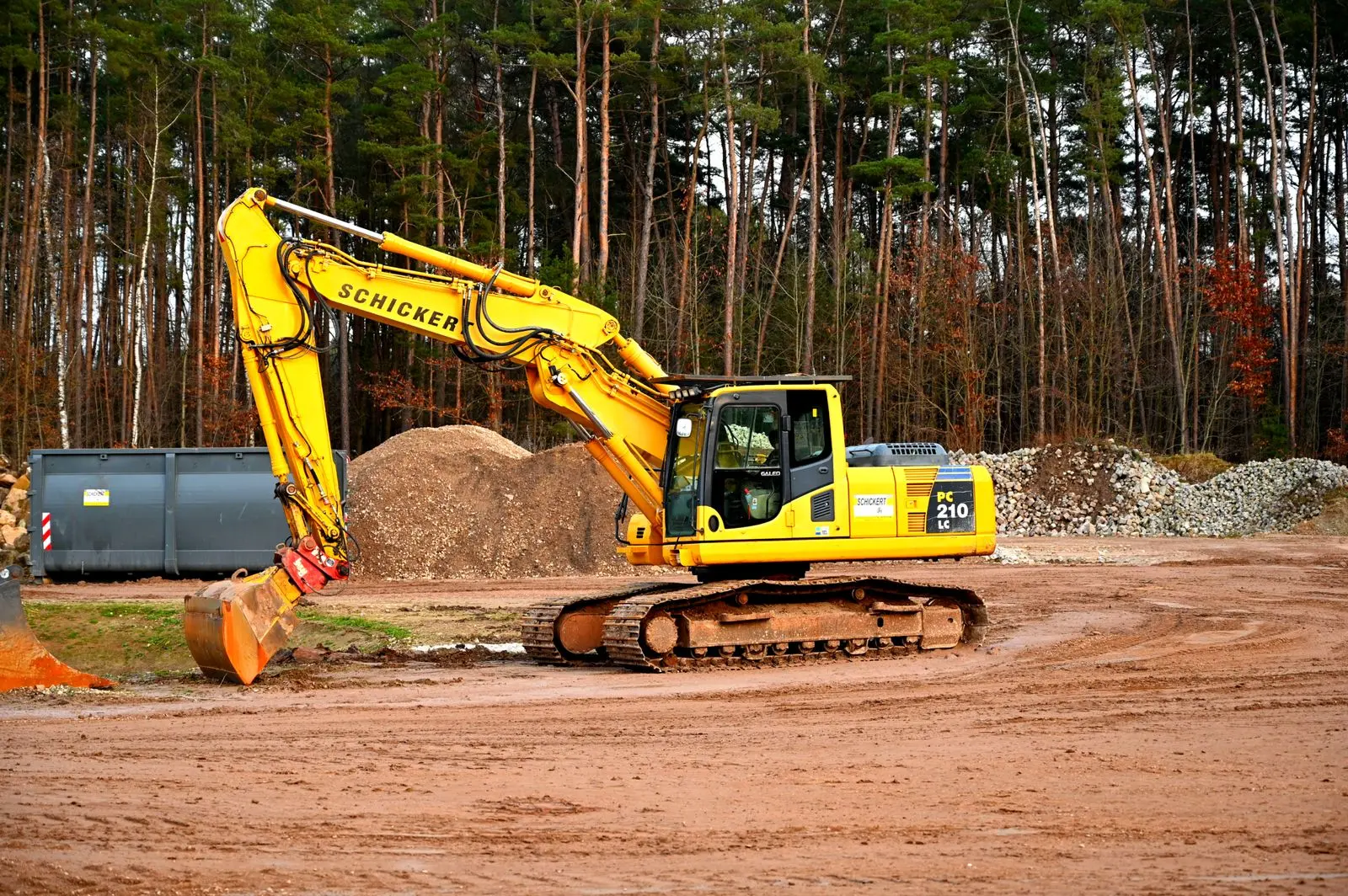
City of Salinas
Kitchen, bath and backyard demolition in 1990s homes between North Main Street and Boronda Road, from garden tubs to pools.
Harden Ranch demolition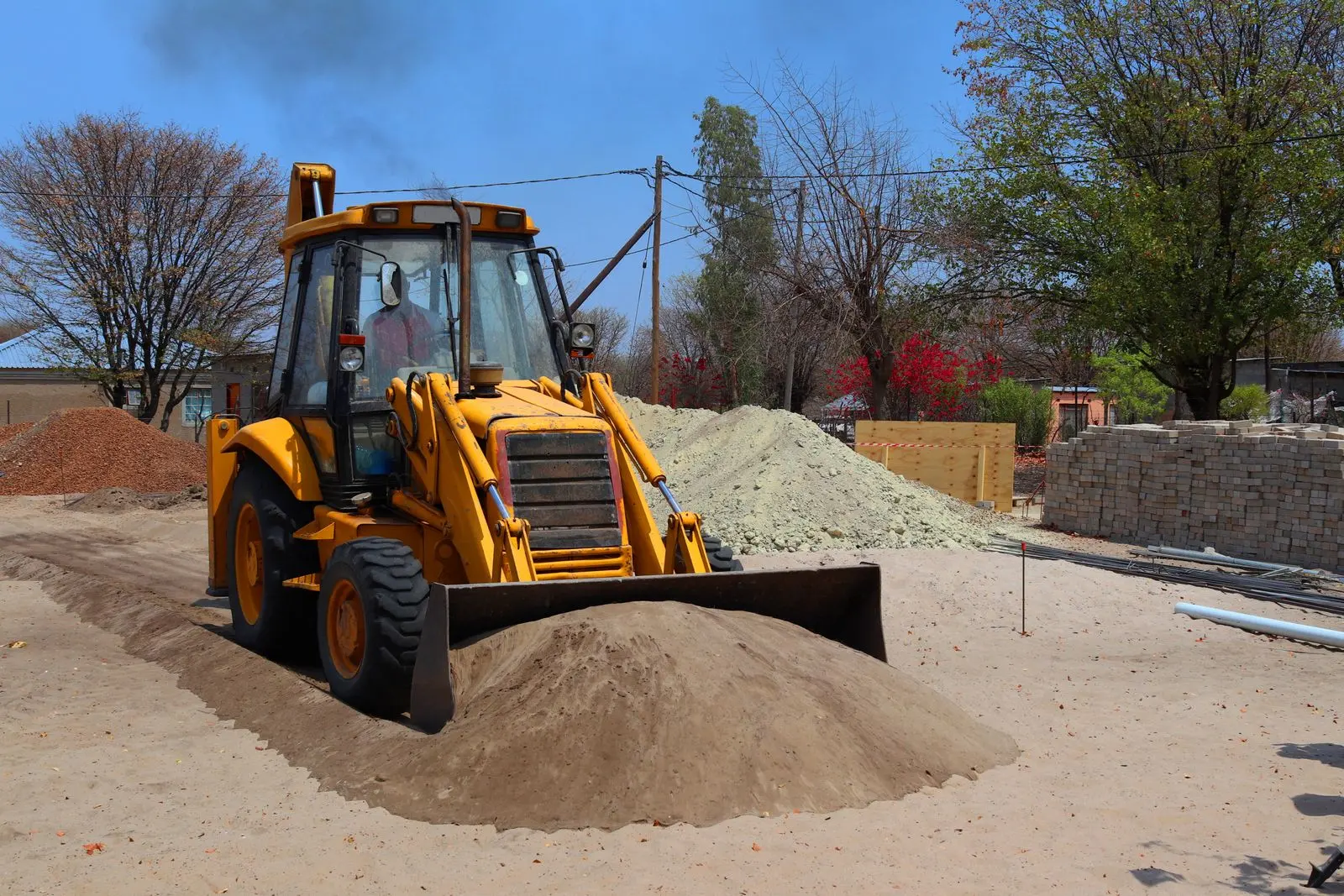
Monterey County
Barns, sheds, mobile homes and older houses on rural acreage, under county permits with septic and well steps handled.
Prunedale demolition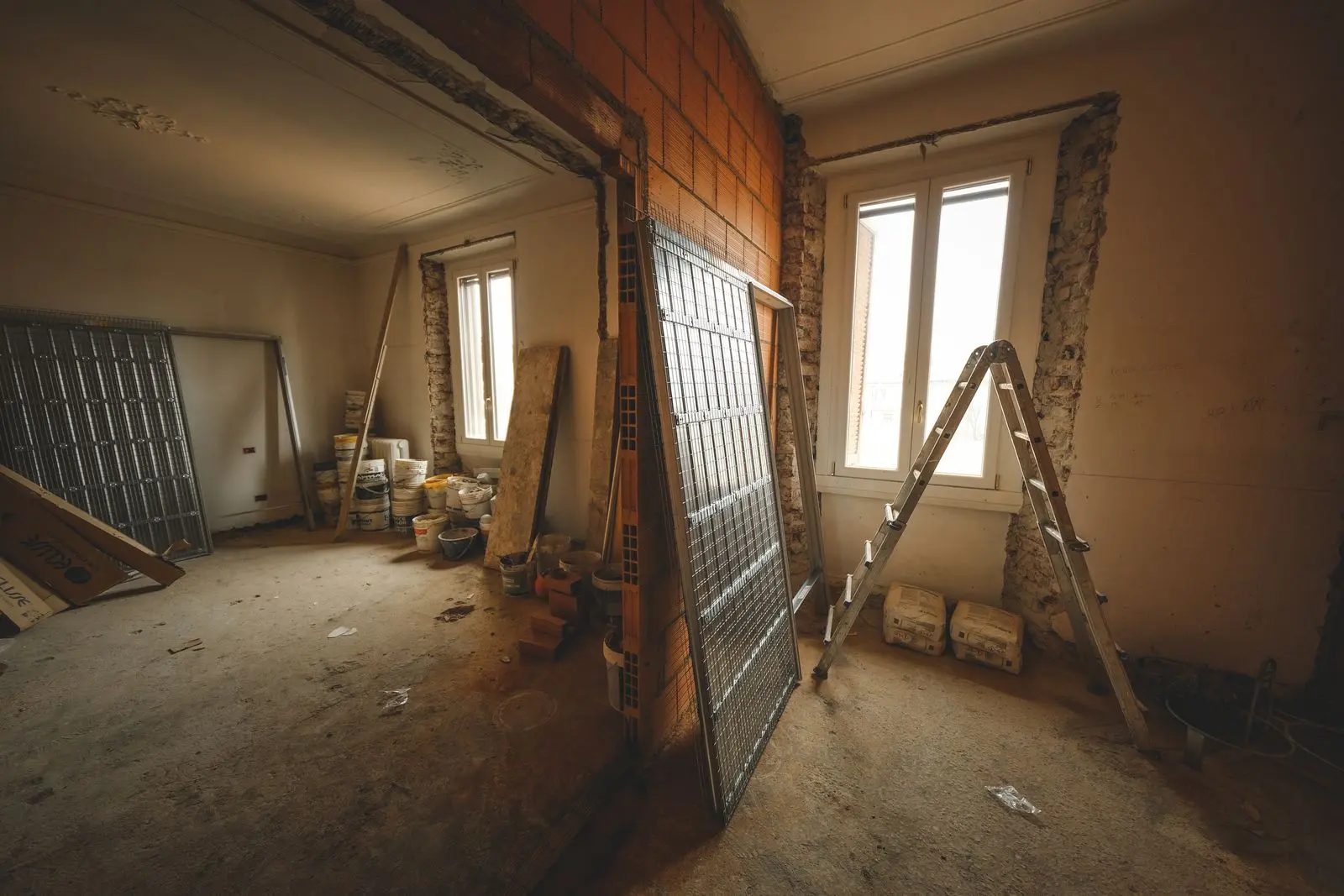
Monterey County
Older homes, garages and farm buildings near the artichoke fields, with county permits and coastal zone checks.
Castroville demolitionDemolition FAQs
Yes. Inside city limits the City of Salinas Permit Center issues demolition permits, and in unincorporated areas like Prunedale or Spreckels the permit comes from Monterey County. Most accessory buildings need one too. We figure out which office has your parcel and file the application as part of the job.
For regulated demolitions, yes. MBARD expects a survey from a California Certified Asbestos Consultant and a demolition notification filed online before work begins, even if no asbestos is found. A positive result means a certified abatement contractor works first and our demolition follows.
PG&E has to disconnect and remove the gas and electric services, and the city needs to see them cut before it signs off on demolition. Water service in Salinas is usually Cal Water or Alco, depending on the neighborhood. We put in the requests and track them so the schedule holds.
The actual teardown of a typical single-family house is usually a matter of days. The paperwork takes longer: the asbestos survey, MBARD notice period, permit review and utility disconnects can stretch over several weeks. You get a realistic calendar once we have walked the site.
Yes. Ag buildings need extra planning: ammonia or freon refrigeration systems must be cleared by a refrigeration contractor first, and insulated panels, steel and heavy slabs are handled and recycled separately. We coordinate those steps and work around active operations next door.
We keep the work wet with hoses or a water truck, cover stockpiles, and save the dustiest steps for the morning before the afternoon wind picks up. On larger jobs we may also use fencing with screen. Fields and neighbors close by are part of the plan from day one.
Yes. You can fill out the quote form in Spanish or in English, whichever is easier for you. Describe the building and what should go, and expect our reply inside 24 hours.
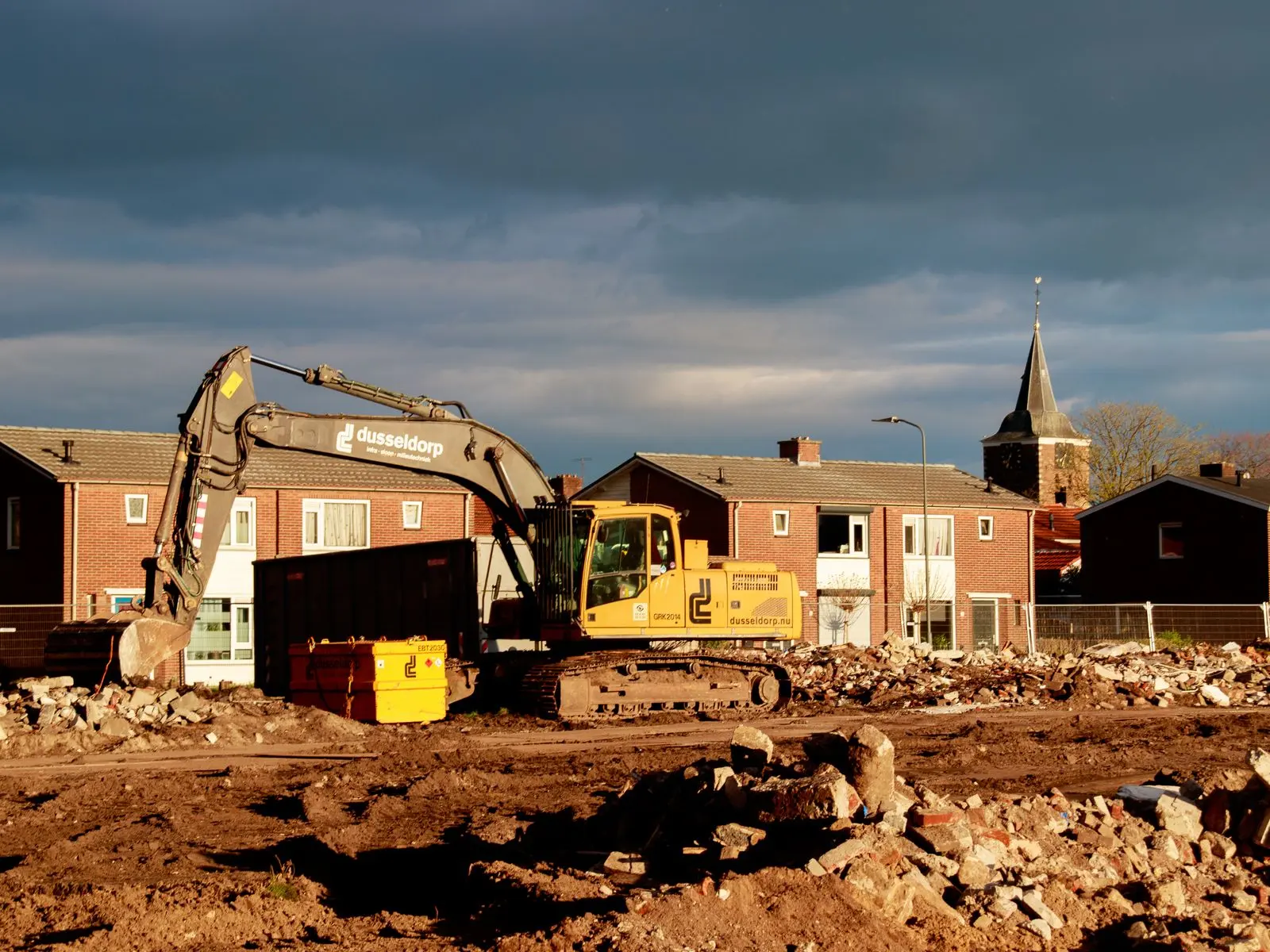
Demolition quote
Start with the quote form: the address, what is coming down and roughly when. Someone from our side gets back to you inside 24 hours, by phone or by email, to plan a site visit.